
 Buy Crypto
- Markets
 Futures
- Spot
- Copy Trade
- Earn
- More
Without Narrative Power, Web3 Will Not Tap into the Vastness

Original Article Title: Web3 Fails Without Storytelling
Original Article Author: Noir, Solana Content Creator
Original Article Translation: Chopper, Foresight News
The failure of Web3 has never been due to a lack of creativity. In fact, its problem lies in the difficulty of building resonance.
The current narrative of Web3 is mostly filled with abstract concepts: public chains, infrastructure, protocols, layers... These terms are not inherently wrong! However, they lack any "human touch," making it impossible for the average person to feel a connection.
This is where the value of storytelling lies. In the Web3 space, the importance of storytelling far exceeds that of any other industry.
Web3 is Built on Logic, Yet Lacks Emotional Resonance
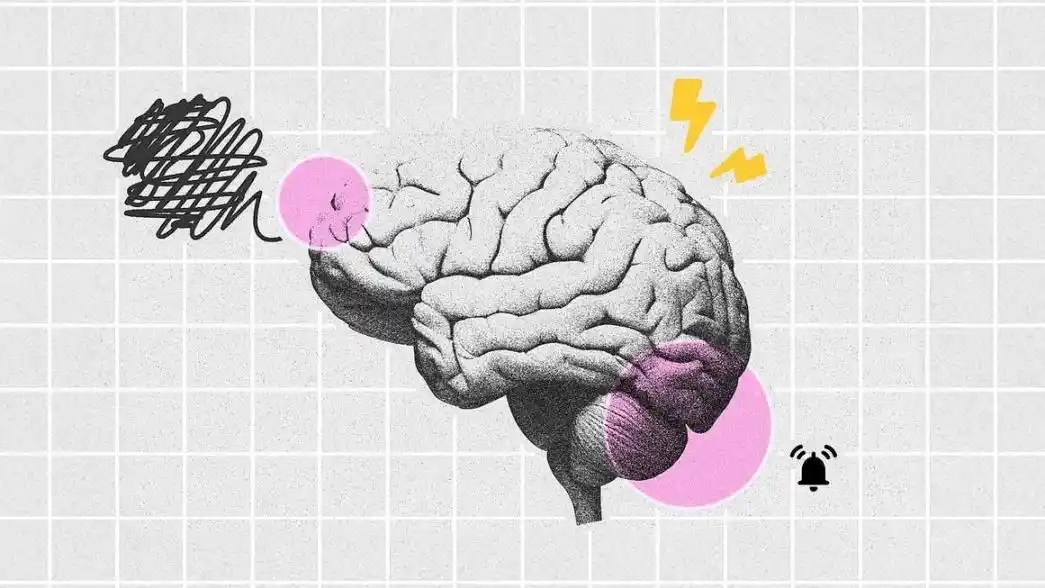
In other fields, people already have a cognitive context. For example: talking about food will stimulate your appetite; discussing fitness can help you visualize progress; mentioning travel will immediately bring to mind the scenery of your destination.
But Web3 fails to do this. Creators and project teams are always earnestly explaining: how amazing those invisible systems and intangible processes are.
Without a story to set the stage, everything will seem distant and cold.
In short: incredibly dull. Obviously, no one will pay for something boring.
Storytelling is the Gateway for Ordinary People to Enter Web3

Most creators and project teams are eager to explain right off the bat: how this thing works. But they forget that the beginning of a good story always lies in describing: what feelings this thing brings.
Confusion, laughter, relief, vulnerability... these emotions are completely absent from Web3 narratives.
My friend, following this trend will lead to an obvious outcome. Even if people don't understand the technology, these emotions are universal. The key is that when someone recognizes familiar feelings in a story, they will subconsciously follow you to listen to your subsequent professional insights.
Stop Just Listing Features, Talk More About User Experience Moments

Comparing the two ways of expression makes it clear which one is superior.
Functionality First Version: This feature improves system scalability by optimizing throughput.
There's nothing wrong with that statement, but you forget it as soon as you hear it, and... What exactly is it trying to say?
Story First Version: I kept refreshing the page, mentally preparing myself to wait again... Only to find out that the transaction had been completed long ago.
It conveys the same core information, but the latter adds warmth and is more easily understood.
Telling a story is not meant to dumb down the technology but to prepare the audience's brain to receive complex information in advance.
Understood? I hope you've grasped it, so let's continue...
Complex Concepts Need to Be Grounded in Everyday Scenarios
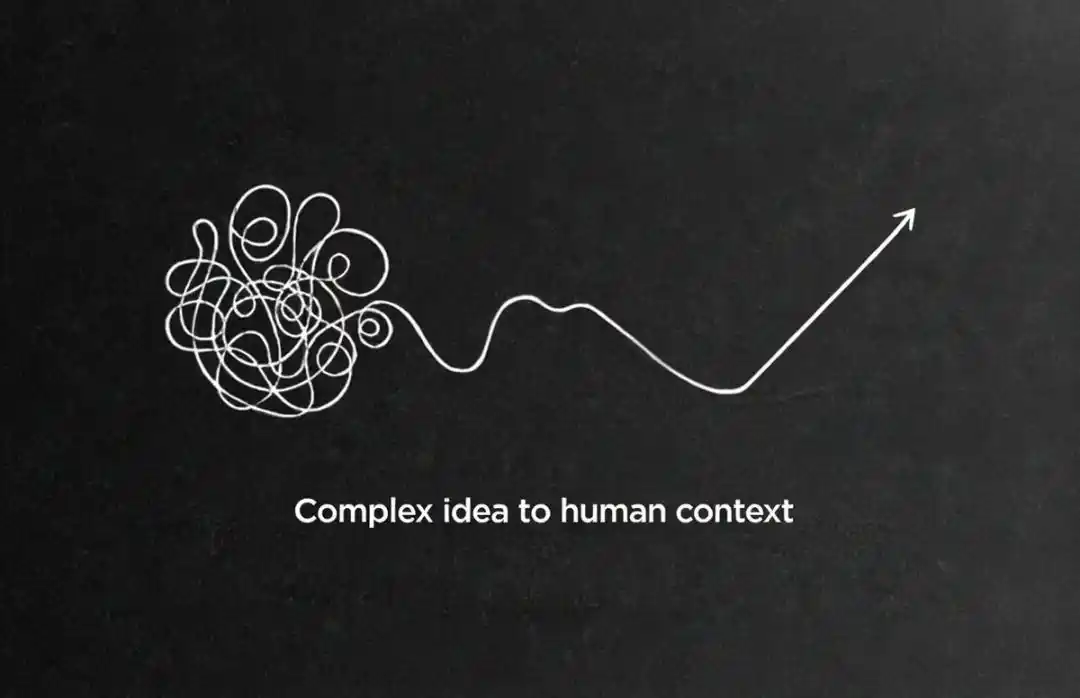
When faced with a complex problem, people often wonder, "How is this relevant to me?"
However, a story can subtly provide the answer. All it takes is a simple everyday scenario to establish a connection.
In fact, you don't need to explain every detail comprehensively. You just need to showcase a key moment: a frustrating bottleneck, a moment of pressure release, a small victory.
That's enough to make a complex concept feel real and relatable.
Real-world Validation: This Methodology Really Works
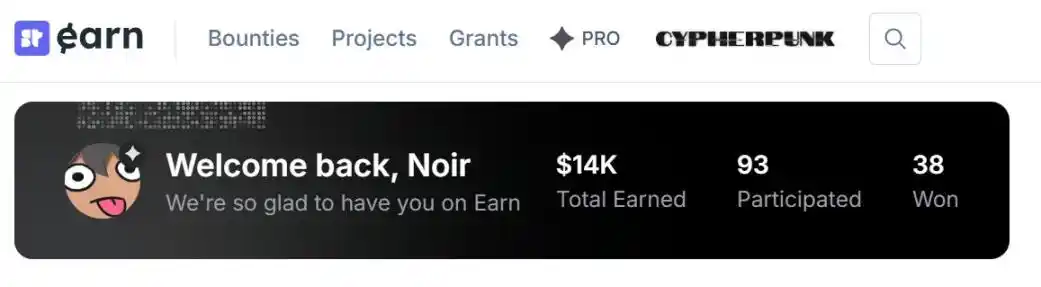
At the core of my work is creating story-driven video content for Web3 bounty programs and sponsors.
Over time, I've noticed a pattern: the videos that win are not the ones with the most technical explanations but those that start with heartwarming moments.
I don't jump right into listing features or explaining principles; instead, I focus on these scenes: the awkwardness of first using the product, the struggles before understanding a certain feature, the aha moment upon successful connection.
This narrative approach always keeps the audience engaged longer and helps them understand quicker. This is why my videos stand out in bounty competitions.
It's not because I delve into more technical details but because I make complex concepts feel human and emotionally engaging.
You may also like

The New Yorker in-depth investigation interpretation: Why do OpenAI insiders consider Altman untrustworthy?
Two Divided Worlds: Insights from the New York Digital Asset Summit, the Most Institutionalized Blockchain Conference

Top Ten Reveals of CZ's New Book: Advance Knowledge of "94", the Inside Story of Huobi's Change of Ownership Made Public for the First Time

Ceasefire Overnight Erases War Premium, Three Fault Lines Only One Sealed | Rewire News Morning Brief

Robinhood Secures 'Trump Account': Enabling Millions of Newborns to Access the Stock Market

Afraid to Open the Pandora's Box? Anthropic's Most Powerful Model Ever Dares Not Be Disclosed

US-Iran Ceasefire: A Temporary Pause or Prelude to Renewed Conflict? Market Outlook for Oil, Gold, and Bitcoin
April 8, 2026 – A temporary ceasefire between the U.S. and Iran has provided some immediate relief to the global markets, but the fundamental question remains: Will the cessation of hostilities hold, or is this merely a brief reprieve before a resumption of conflict? As the situation unfolds, market observers are closely monitoring how key assets like oil, gold, and Bitcoin will react in the coming weeks. This article explores whether the ceasefire is a sign of lasting peace, assesses the short-term market implications, and delves into the evolving role of Bitcoin in the global financial landscape.

WEEX Market Update: U.S.-Iran Ceasefire Sparks Bitcoin Price Surge
April 8, 2026 – In a significant shift in global geopolitics, U.S. President Donald Trump has announced a temporary two-week ceasefire with Iran, resulting in a notable market reaction across various asset classes. This development comes after discussions between Trump, Pakistani Prime Minister Shahbaz Sharif, and Army Chief General Asim Munir. The announcement is already reverberating through markets, particularly in oil, gold, and cryptocurrencies.
Morning Report | South Korean financial institutions pilot stablecoin payments for foreign users; Morgan Stanley Bitcoin ETF is about to be listed; CME plans to launch AVAX and SUI futures contracts

EigenCloud Founder: AI and Cryptocurrency are Creating the Next Trillion-Dollar Asset Class
From Panic to Pumps: How Bitcoin Traders Are Playing the 2-Week US-Iran Ceasefire
For most people, the two-week US-Iran ceasefire is about geopolitics, oil prices, and whether World War III gets postponed. But for crypto traders glued to their screens late Sunday night, it was something else entirely: the clearest risk-on signal in months.

US-Iran Ceasefire Triggers Oil Plunge, Bitcoin Surge, and Gold Rally
Despite the sharp rally, caution is warranted. The $70,000–$72,000 zone has historically been strong resistance. The ceasefire is only temporary (two weeks), and any breakdown in negotiations could trigger a sell-off toward the $62,000–$65,000 support zone. For now, Bitcoin needs to close decisively above $72,500 to confirm a true breakout; failure to do so within 48–72 hours could lead to a swift retracement.

OpenAI has no "New Deal," a blueprint for AI that refuses to pay.

Wall Street Flash Mob Run? Mega-Cap Stock Plunge, Goldman's Great Escape, Illustrated Guide to Private Credit Crisis

OpenAI Feud: Power, Trust, and the Uncontrollable Boundaries of AGI
「AI Doomsday Cult」 Sends Operatives into the Strait of Hormuz: What Did They Find?
Everyone is waiting for the war to end, but is the oil price signaling a prolonged conflict?


 App
App